 Business License

When to Replace Shock Struts?
When to Replace Shock Struts?
Imagine driving down a bumpy road with every little irregularity and pothole sending uncomfortable jolts throughout your vehicle. Now, imagine that same drive but with a smooth and controlled ride. The key component responsible for the latter scenario is your car's shocks and struts. These crucial parts are often overlooked, but they play a vital role in ensuring your driving experience is safe, comfortable, and responsive. In this blog post, we will explore how you can determine when it's time to replace your shocks and struts, along with introducing our own line of high-quality shock absorbers.
The Role of Shocks and Struts
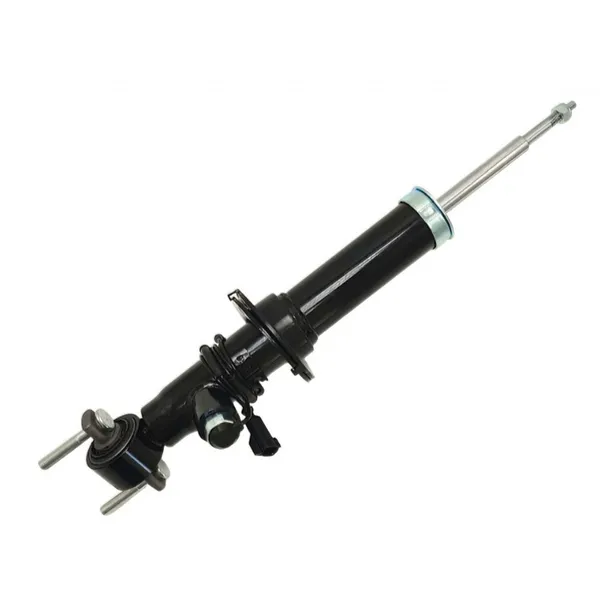
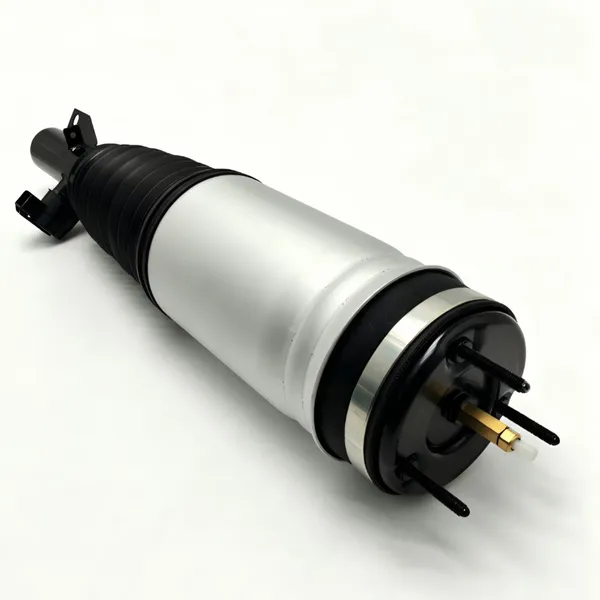
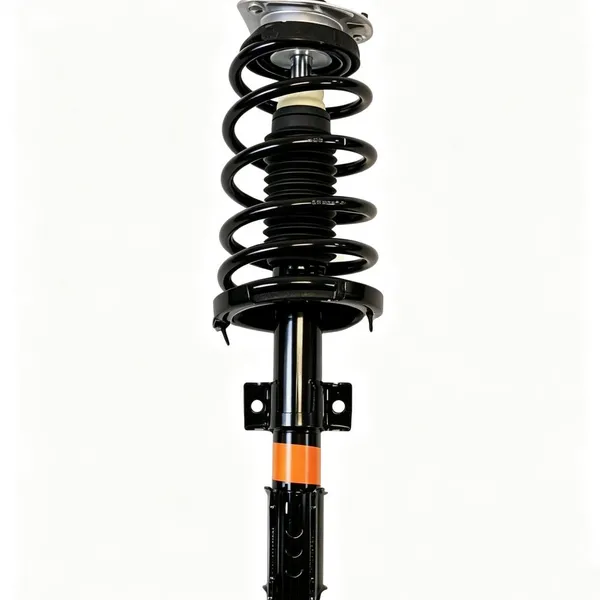
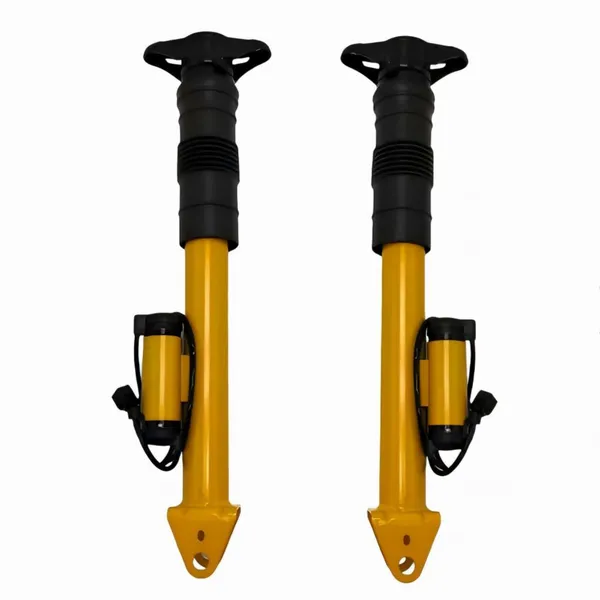
Both shocks and struts are designed to dampen the oscillations and vibrations that occur when your car encounters bumps, dips, and uneven surfaces. They help maintain tire contact with the road, providing better traction, handling, and overall control.
6 Signs That It's Time for Replacement
Poor Ride Quality
One of the most noticeable signs of failing shocks and struts is a deterioration in your vehicle's ride quality. If you begin to feel every bump in the road more intensely, it's a strong indication that your shocks and struts might need replacing.
Excessive Bouncing
After hitting a bump, your vehicle should settle back to its normal position relatively quickly. If it continues to bounce excessively, unable to regain stability, your shocks and struts are likely worn out.
Nose Diving and Rear Squatting
When braking, if you notice your car's nose-diving forward or the rear end squatting down, it suggests that the shocks and struts are no longer effectively controlling the weight transfer, compromising both safety and comfort.
Uneven Tire Wear
Damaged or worn-out shocks and struts can lead to uneven tire wear. If you notice that your tires are wearing down unevenly, especially on one side of the vehicle, it's time to have your suspension system inspected.
Leaking Fluid
Shocks and struts contain hydraulic fluid that helps absorb impacts. If you observe fluid leaking around these components, it's a clear sign of damage and impending failure.
Visible Damage
A visual inspection can go a long way. Check for physical damage to the shocks and struts. Any dents, corrosion, or obvious signs of wear can indicate that replacement is necessary.
Recently Posted
-
Coilovers & Suspension Setup: A Complete Performance Guide
September 5, 2026Coilovers & Suspension Setup: A Complete Performance GuideSuspension is one of the most powerful upgrades you can make to a pe Read More
 -
Pros and Cons of Air Suspension
September 5, 2026Pros and Cons of Air SuspensionMost modern vehicles have traditional coil springs, which you can often see behind the wheels. They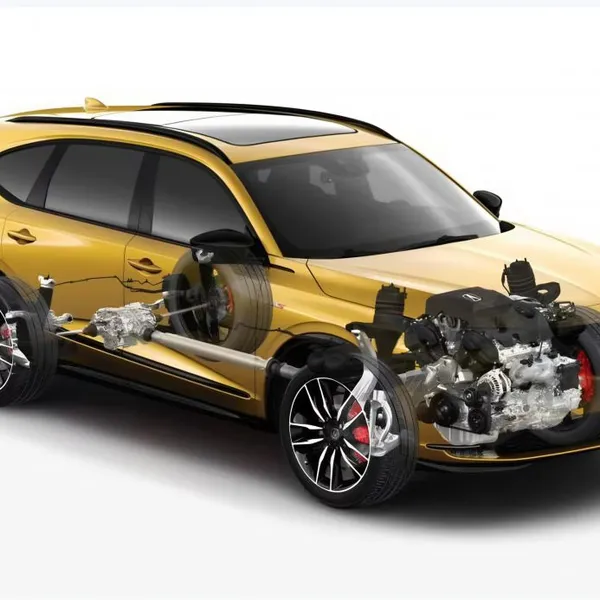 Read More
 -
Air Suspension: Bags, Management Systems & What to Expect
September 5, 2026Air Suspension: Bags, Management Systems & What to Expect Air suspension replaces the conventional coil springs on your c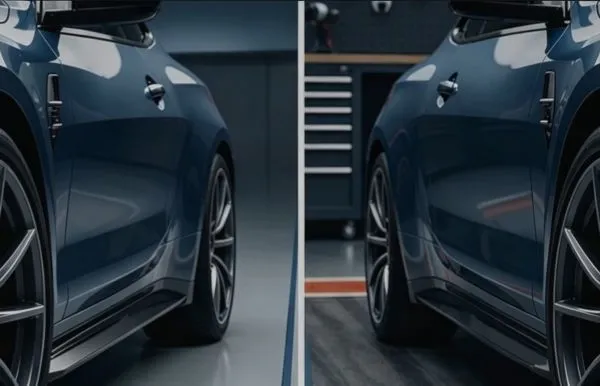 Read More
 -
What Are Coilovers and Who Buys Them
September 5, 2026What Are Coilovers and Who Buys ThemWhat Is a Coilover Kit, Really?A coilover kit is an integrated performance suspension assembly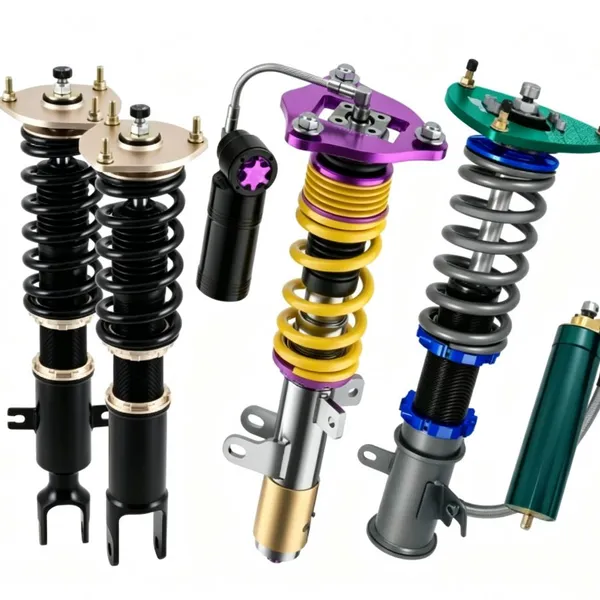 Read More

Contact Us
Recommended Products
-
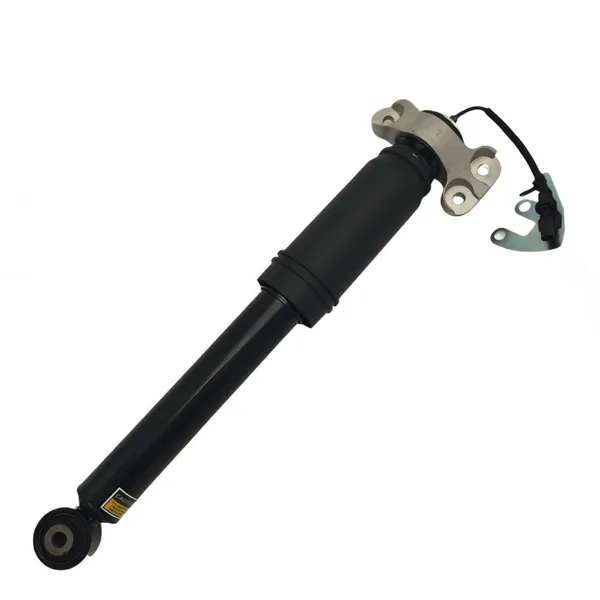
 Rear Electronic Shock Absorber Strut Assembly Chevrolet CamaroUS$ 65 - 70MOQ: 1 Unit
 -
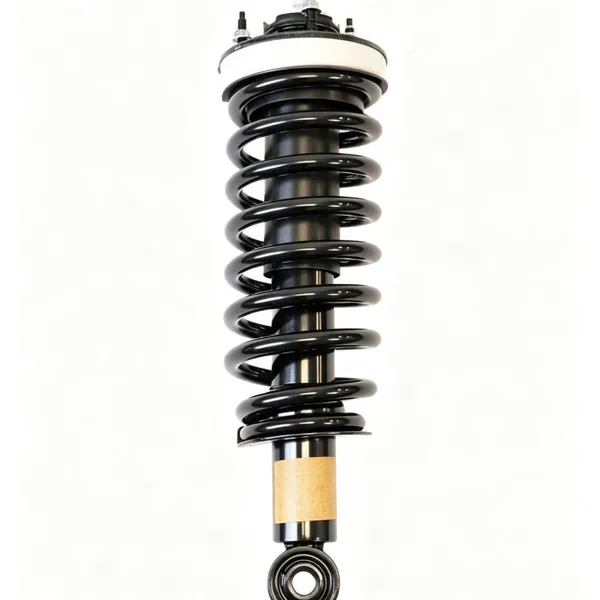
2003-2011 Lincoln Town Car EZ Strut Full Strut Assembly (Front)US$ 109MOQ: 5 Units
-
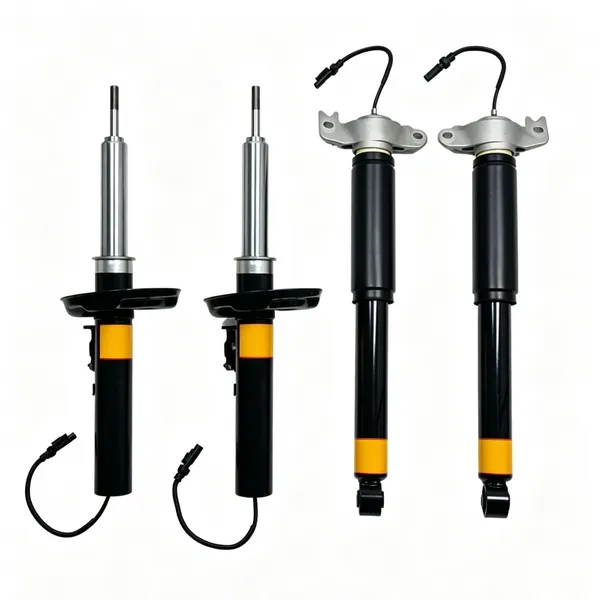
2013-2019 Cadillac XTS AWD/FWD Magnetic Strut 4-Wheel OE Replacement KitUS$ 1185MOQ: 1 Unit
-
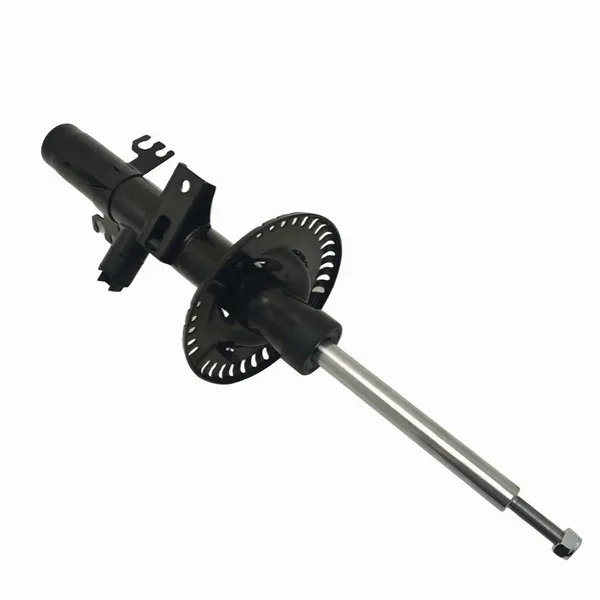
OE Replacement Front Right Suspension Shock Absorber W/O Spring for VW Caravelle Multivan TransporterUS$ 60 - 65MOQ: 1 Unit
-
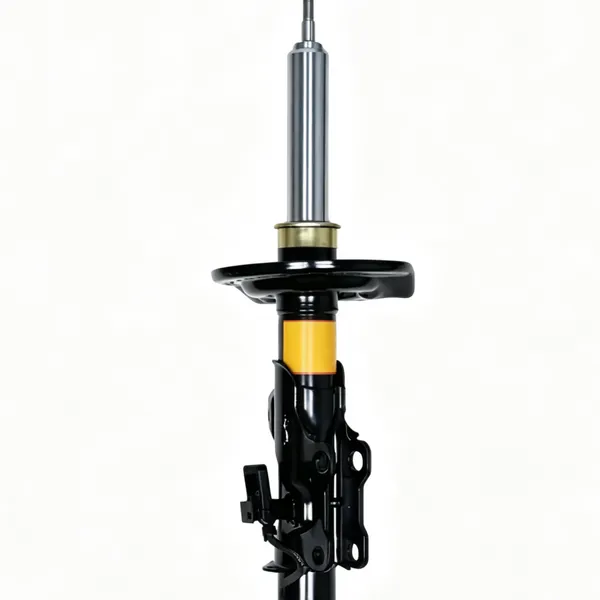
2016-2024 Chevrolet Camaro Front Right Replacement Magnetic StrutUS$ 445MOQ: 2 Units
-
OE Replacement Front Left Suspension Shock Absorber W/O Spring for VW Caravelle Multivan Transporter T6 7E5413031US$ 60 - 65MOQ: 1 Unit
-
Front Left Right Air Suspension Shock Absorber Assembly for Audi A8/S8 D4 4H Quattro 2011-2018US$ 145 - 160MOQ: 1 Unit
-
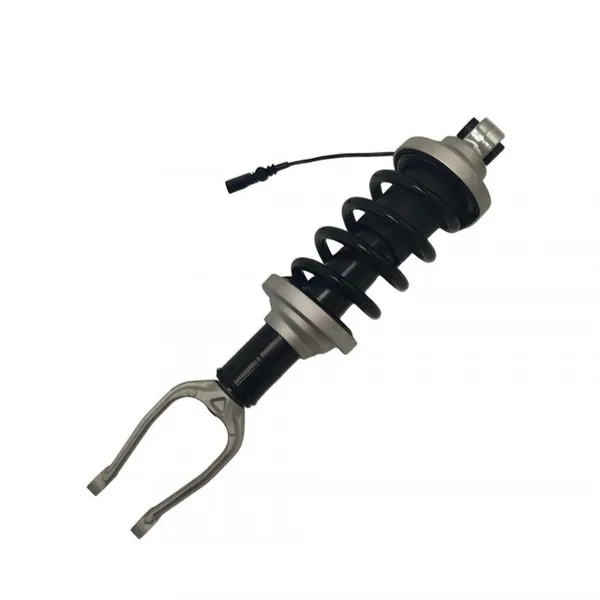
Electronic Shock Absorber Front Left Right Strut Assembly for Audi R8 2016-2021US$ 95 - 109MOQ: 1 Unit
-
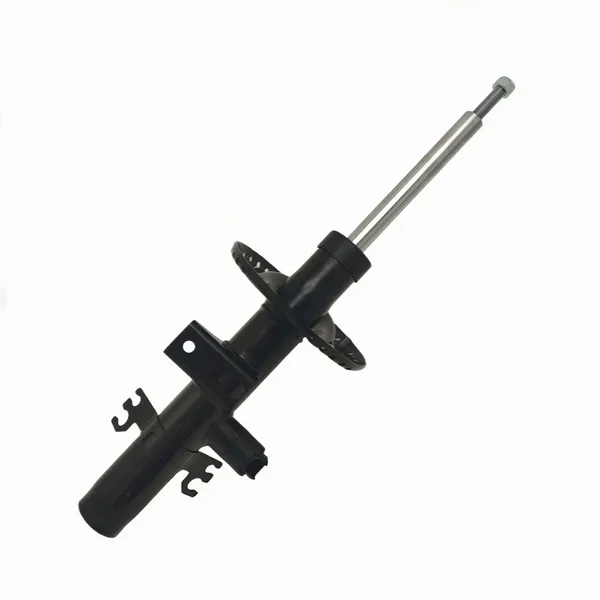
Front Shock Absorber for Cadillac Escalade 2021-2025 Chevrolet Tahoe Suburban GMC YukonUS$ 240 - 250MOQ: 1 Unit
-
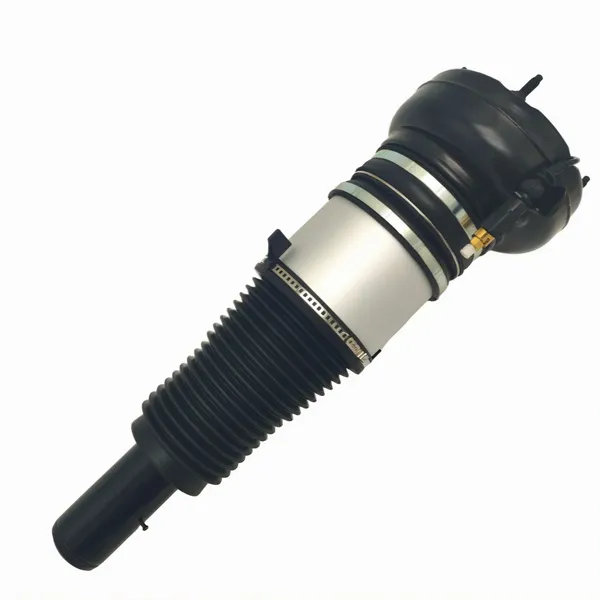
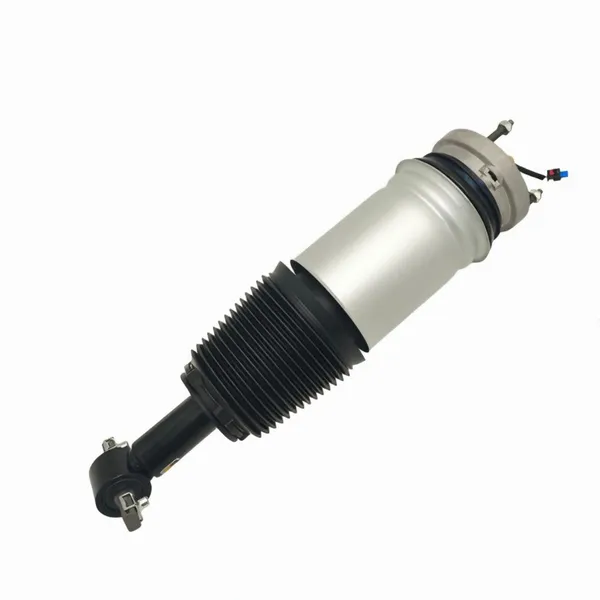
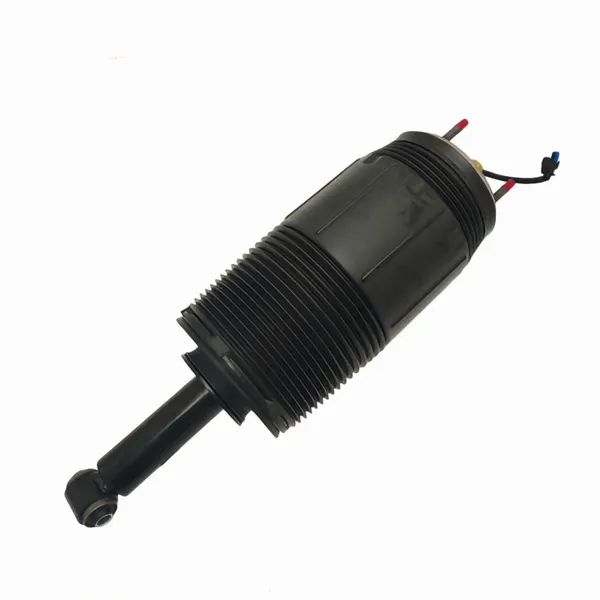
Rear Air Shocks Struts for 2021-2024 Cadillac Escalade Chevrolet Suburban GMC Tahoe YukonUS$ 240 - 255MOQ: 1 Unit
-
Electronic Shock Absorber Assembly for XC60 XC90 2018-2024US$ 62 - 69MOQ: 1 Unit
-
Shock Absorber Rear Left Right Electronic Strut Assembly for Audi R8 2016-2021US$ 85 - 95MOQ: 1 Unit
-
Wholesale Shock Absorbers for LAND ROVERUS$ 55 - 85MOQ: 2 Units
-
2010-2024 Toyota 4Runner (4WD) 4-Wheel X-REAS Hydraulic Suspension Conversion/Delete KitUS$ 539MOQ: 2 Units
-
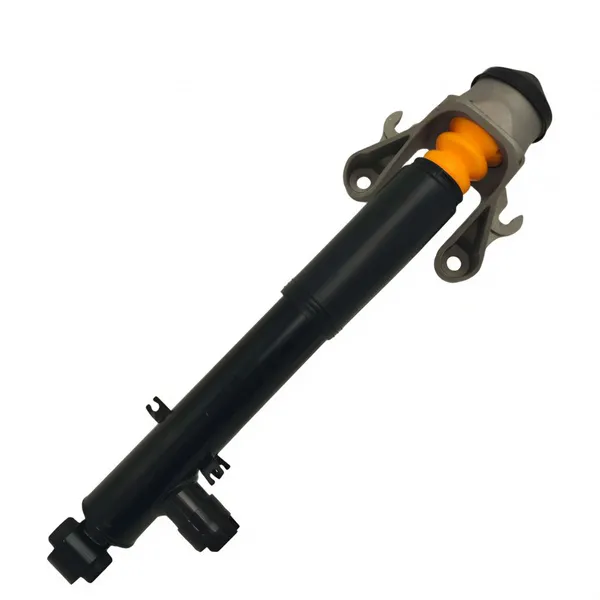
Rear Right Electronic Shock Absorber Strut Only Electricity for Lincoln Navigator for Expedition 2018-2023US$ 60 - 65MOQ: 1 Unit
-
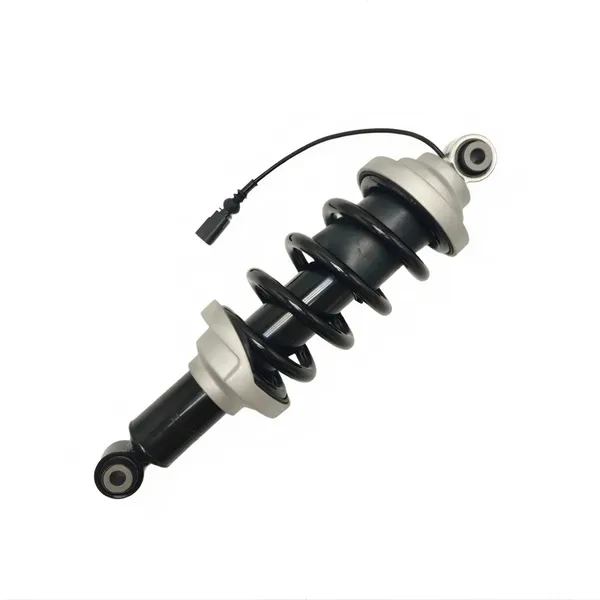
Front Left Strut Only W/Continuous Damping Fit 2018-2023 Lincoln Navigator for ExpeditionUS$ 60 - 65MOQ: 1 Unit
-
Air Suspension 2021-2024 Jeep Grand Cherokee Airmomatic ShockUS$ 130 - 145MOQ: 1 Unit
-
Volvo XC90 EZ Strut Full Strut Assembly (Front)US$ 155MOQ: 2 Units
-
Rear Left Right Electronic Shock Absorber Assembly for Jeep Grand Cherokee WK2 2012-2020US$ 65 - 70MOQ: 1 Unit
-
Shocks Absorbers Struts Assys W/Electricity for Jeep Grand Cherokee SRT 2016-2022US$ 95 - 105MOQ: 1 Unit